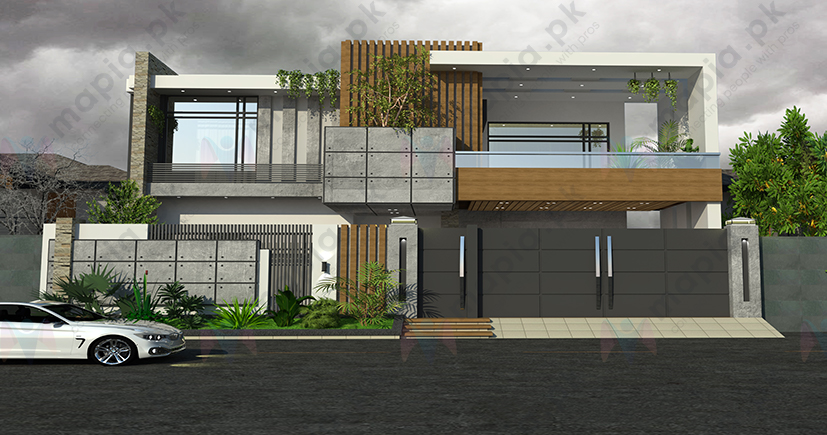
Smart Construction and Digital Platforms: How Technology Is Reshaping Modern Living Spaces
The construction and architecture industry is undergoing a major transformation driven by technology. From smart home systems to digital project management tools, innovation is changing how buildings are designed, constructed, and experienced.
Platforms that connect clients with architects and contractors have already simplified the process of building homes and commercial spaces. Today, technology is taking this even further—bringing efficiency, transparency, and new opportunities to both professionals and clients.
The Rise of Smart Design in Architecture
Modern architecture is no longer limited to aesthetics and structural integrity. Today’s buildings are designed with intelligence in mind. Smart homes integrate automation systems that control lighting, temperature, security, and energy usage.
Architects and designers now consider:
- energy efficiency and sustainability
- smart sensors and IoT integration
- flexible and modular layouts
- user-centered design
These features not only improve comfort but also reduce long-term costs. As a result, clients are increasingly seeking professionals who understand both design and technology.
Digital Tools in Construction Management
Construction projects have traditionally been complex and time-consuming. However, digital tools are simplifying these processes significantly.
Modern platforms allow professionals to:
- manage timelines and resources
- collaborate remotely with teams
- visualize projects through 3D modeling
- reduce errors using data-driven planning
This digital transformation helps minimize delays and ensures better coordination between all stakeholders involved in a project.
Online Platforms and Industry Growth
Online ecosystems play a crucial role in connecting professionals with clients. Platforms that bring together architects, contractors, and vendors make it easier to find the right expertise for any project.
At the same time, the digital world is expanding beyond traditional construction services. Today, users engage with a wide range of online platforms that influence their behavior, preferences, and decision-making processes.
For example, interactive platforms such as https://apkbetpa.com/ highlight how digital environments can create engaging user experiences. While these platforms belong to a different sector, they demonstrate how technology can attract and retain large audiences—an approach that can also inspire innovation in architecture and construction platforms.
Understanding how users interact with digital systems can help industry professionals design better services, improve user experience, and build stronger connections with clients.
Sustainability and Future Trends
Technology is also driving sustainability in construction. Smart materials, energy-efficient systems, and environmentally friendly designs are becoming standard in modern projects.
Key trends shaping the future include:
- green building technologies
- AI-assisted design processes
- smart city infrastructure
- digital twins for real-time monitoring
These innovations are not only improving efficiency but also contributing to a more sustainable future.
Conclusion
The integration of technology into architecture and construction is redefining how we create and interact with built environments. From smart homes to digital platforms, the industry is evolving rapidly.
For professionals and clients alike, embracing these changes is essential. By combining technical innovation with thoughtful design, it is possible to create spaces that are not only functional and efficient but also aligned with the needs of modern living.
As digital ecosystems continue to grow, those who adapt and innovate will lead the future of construction and design.