Digital Tools Transforming Construction in Pakistan
How Digital Tools Are Changing the Construction Industry in Pakistan
Construction has traditionally been one of the most physical industries in the economy. Projects are built with concrete, steel, machinery and skilled labor, yet an increasing part of the work now happens on screens long before materials reach the site.
Architects prepare digital models, contractors track progress through project-management platforms, clients browse housing projects online, and suppliers increasingly depend on digital catalogs instead of printed brochures.
For construction companies in Pakistan, this shift is changing not only how buildings are designed but also how projects are marketed, managed and delivered.
Construction Is Becoming a Digital Business
A construction company may still be judged by the quality of its completed projects, but the first interaction with a potential client often happens online.
Someone searching for a builder may compare:
- completed projects;
- architectural styles;
- construction services;
- estimated budgets;
- locations;
- materials;
- customer reviews;
- photographs and floor plans.
This means a company's website is no longer simply an online business card.
It has become part of the sales process.
The same applies to architects, interior designers, material suppliers and real-estate developers.
Online Portfolios Have Replaced Printed Catalogs
A decade ago, a construction firm might show potential clients a printed portfolio during an office meeting.
Today, most clients expect to see previous work before making contact.
A strong digital portfolio can include:
| Portfolio Element | Why It Matters |
|---|---|
| Project photographs | Shows actual construction quality |
| Floor plans | Helps clients understand layouts |
| Before-and-after images | Demonstrates renovation capability |
| Project location | Shows geographic experience |
| Materials used | Provides technical context |
| Project duration | Helps set expectations |
| Building type | Makes specialization clear |
Architectural firms can go further by showing sketches, renders and completed buildings together.
This allows visitors to understand how an idea developed from concept to construction.
Mobile Access Matters More Than Ever
Construction professionals do not spend the entire working day sitting at a desk.
Contractors move between sites. Architects attend meetings. Engineers inspect buildings. Clients check progress while traveling.
As a result, digital construction platforms must work properly on smartphones.
A project portal should allow users to quickly access:
- drawings;
- invoices;
- photographs;
- schedules;
- contractor details;
- material lists;
- project updates.
A desktop-only interface creates unnecessary friction.
Modern users have become accustomed to responsive web interfaces across almost every industry, from banking and e-commerce to maps and interactive entertainment. Even highly interactive browser products such as https://chickenroadmaroc.com/ar/ demonstrate how interfaces can be designed around simple controls, fast loading and mobile navigation.
Construction platforms can apply the same basic UX principle: give the user the information they need without forcing them through complicated menus.
Project Management Is Moving Online
Construction projects involve many different participants.
Depending on the project, these may include:
- architects;
- structural engineers;
- contractors;
- subcontractors;
- suppliers;
- electricians;
- plumbers;
- interior designers;
- clients.
When communication happens entirely through phone calls and messaging apps, information can easily become fragmented.
A digital project-management system creates one place where documents, deadlines and responsibilities can be tracked.
Instead of asking which version of a drawing is current, everyone can work from the latest uploaded document.
Digital Drawings Reduce Communication Errors
One of the most expensive problems in construction is misunderstanding.
A contractor may interpret a drawing differently from the architect. A client may imagine a room differently from what the plan actually shows.
Digital plans help reduce some of this uncertainty.
Modern design workflows allow architects to present:
- 2D plans;
- 3D models;
- elevations;
- sections;
- material finishes;
- lighting concepts;
- furniture layouts.
This makes the design easier to understand for clients without technical backgrounds.
3D Visualization Changes Client Expectations
Clients increasingly want to see what a building will look like before construction begins.
Architectural visualization makes this possible.
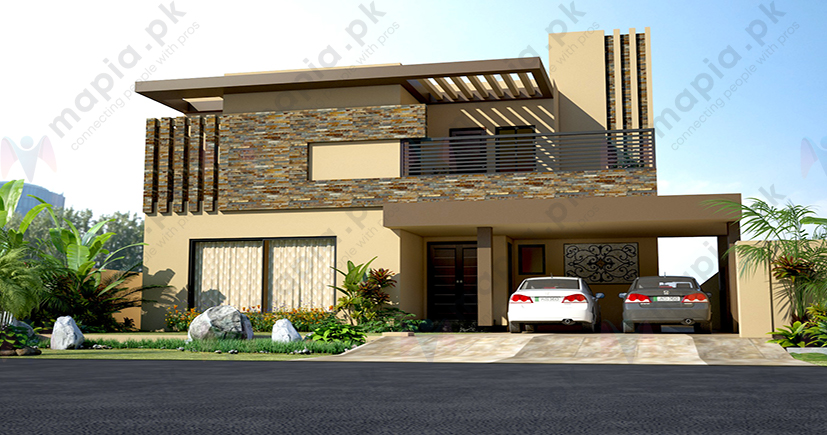
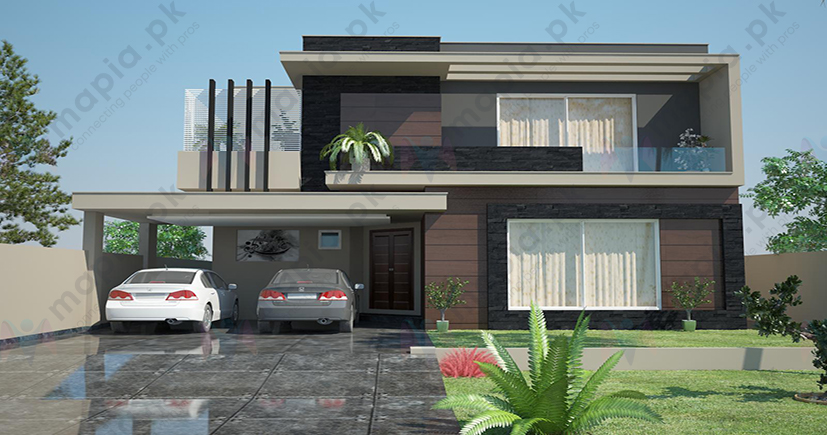
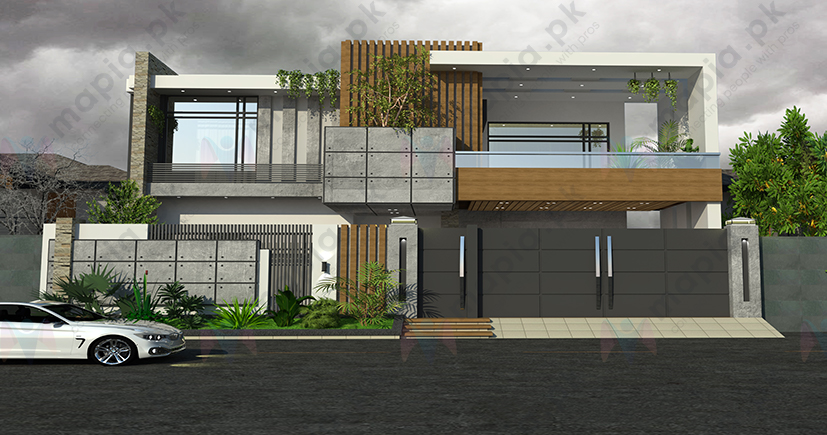
A realistic render can show how sunlight enters a room, how different materials work together and how furniture fits within the space.
This is particularly useful for residential projects.
A homeowner may struggle to interpret a technical floor plan but immediately understand a realistic visualization of a kitchen, living room or facade.
For developers, renders also become powerful marketing assets long before a building is finished.
Building Information Modeling Is Changing Coordination
Building Information Modeling, commonly known as BIM, takes digital design beyond simple 3D visualization.
Instead of creating only a visual representation of a building, BIM can connect different types of project information inside one model.
For example, a building model may include data related to:
- structural elements;
- mechanical systems;
- electrical systems;
- plumbing;
- materials;
- quantities;
- dimensions.
This makes it easier for different specialists to coordinate their work.
A conflict between a structural beam and an HVAC system can potentially be discovered digitally instead of on the construction site.
Finding such problems before construction usually saves both time and money.
Digital Quantity Estimation Improves Budget Planning
Budget overruns are a common concern in construction.
Part of the problem comes from inaccurate quantity estimation.
Digital estimation tools can help contractors calculate approximate requirements for materials such as:
- cement;
- concrete;
- steel;
- blocks;
- tiles;
- paint;
- flooring;
- wiring.
These calculations still require professional verification, but software can make the estimating process faster and more consistent.
For clients, better estimates also provide clearer expectations about the financial scale of a project.
Construction Companies Need Better Websites
Many construction businesses still treat their website as a secondary marketing channel.
This creates an opportunity for companies that invest in better digital presentation.
A useful construction website should immediately answer several questions.
What does the company build?
Where does it operate?
What projects has it completed?
How can a potential client contact the team?
The answers should not be hidden behind complicated navigation.
What Should a Builder's Website Include?
A practical structure might look like this:
Home
A quick introduction to the company and its main services.
Services
Separate information about residential construction, commercial projects, renovations or other specialties.
Projects
A portfolio of completed and ongoing work.
About
Company background, team and professional experience.
Contact
Phone, email, location and a simple inquiry form.
Additional sections can include testimonials, construction guides and frequently asked questions.
Architects Need Different Content Than Contractors
Architectural firms should not copy construction-company websites exactly.
An architect's client is often interested in the design process as much as the final building.
An architectural portfolio can therefore explain:
The brief — what the client needed.
The challenge — limitations of the site or project.
The concept — the design approach.
The solution — how the final design addressed the requirements.
This type of project description demonstrates expertise far better than a gallery containing photographs with no context.
Online Construction Catalogs Make Comparison Easier
Construction involves hundreds of product decisions.
A single project may require choices involving tiles, sanitary fittings, doors, lighting, paint, flooring and electrical equipment.
Digital supplier catalogs make these comparisons easier.
Instead of visiting several physical stores at the beginning of a project, buyers can narrow their options online first.
A useful digital catalog should include:
- product photographs;
- dimensions;
- available finishes;
- technical specifications;
- model numbers;
- availability;
- contact information.
For professional buyers, downloadable technical documentation is particularly useful.
Virtual Tours Can Help Sell Property Before Completion
Real-estate developers can use digital technology even before a project is completed.
Virtual tours allow potential buyers to understand apartments and commercial spaces remotely.
This is particularly valuable when buyers live in another city or country.
Instead of relying entirely on static floor plans, a user can move through a virtual representation of the property.
The technology does not replace a physical visit, but it can significantly improve the early stages of the buying process.
Drones Provide a New View of Construction Sites
Drone photography has also become useful in construction.
Aerial images can document progress across large projects much more effectively than photographs taken from ground level.
Developers can use drone footage to monitor:
- site development;
- structural progress;
- roofing;
- external works;
- surrounding infrastructure.
For marketing teams, the same footage can also be used to create project updates.
However, operators should always follow applicable aviation and privacy rules when using drones.
Cloud Storage Simplifies Document Management
Construction creates a surprising amount of paperwork.
Contracts, drawings, invoices, specifications, permits and material documentation can quickly become difficult to organize.
Cloud-based document storage allows authorized team members to access files from different locations.
The main benefit is not simply storage.
It is version control.
Everyone should know which document is the latest approved version.
This reduces the risk of someone building from an outdated drawing.
Digital Communication Does Not Replace Site Meetings
Technology improves communication, but it does not remove the need for professional supervision.
A photograph sent through a project-management app cannot always replace an engineer inspecting the work in person.
Likewise, a 3D model cannot identify every construction issue that may appear on site.
The best approach is a combination.
Use digital tools for documentation, planning and communication while maintaining proper physical inspections and meetings.
Cybersecurity Is Becoming Relevant to Construction
As construction businesses become more digital, they also need to think about information security.
A contractor's online accounts may contain:
- client details;
- contracts;
- invoices;
- architectural drawings;
- supplier prices;
- employee information.
Losing access to these accounts can create serious problems.
Basic digital-security practices should therefore become part of normal business operations.
Companies should use unique passwords, two-factor authentication and regular backups.
Access to sensitive documents should also be limited to people who genuinely need it.
Social Media Has Become Part of the Construction Portfolio
Platforms such as Instagram, Facebook and LinkedIn can support a construction company's main website.
Construction is a highly visual industry.
Progress photographs, completed interiors and before-and-after renovation images can perform particularly well on social platforms.
However, social media should not replace the company's own website.
A business does not fully control a social-media platform, while its website remains a permanent digital asset.
Reviews Influence Builder Selection
Clients increasingly research construction companies before contacting them.
This makes online reviews important.
A strong review is particularly useful when it contains detail.
Compare:
"Great company."
with:
"The team completed our house renovation, communicated clearly throughout the project and finished close to the agreed schedule."
The second review gives a potential client much more information.
Construction companies should therefore make it easy for satisfied clients to share genuine feedback.
Digital Tools Are Especially Useful for Remote Clients
Pakistan has a large number of property owners and investors who may not always be physically present near their construction projects.
Digital communication can make project supervision easier for these clients.
A contractor can provide:
- weekly photographs;
- video updates;
- progress reports;
- invoices;
- material approvals;
- updated schedules.
This does not eliminate the need for trusted local supervision, but it gives remote clients far better visibility than occasional phone calls.
Technology Should Simplify Construction, Not Complicate It
The construction industry does not need technology simply because it is fashionable.
A digital tool is useful only when it solves a real problem.
The best tools usually do one of four things:
- Save time.
- Reduce errors.
- Improve communication.
- Make information easier to understand.
If software creates more work than the manual process it replaces, companies are unlikely to use it consistently.
That is why simplicity matters.
Frequently Asked Questions
How is technology changing construction in Pakistan?
Digital design, online project management, 3D visualization, digital catalogs and mobile communication are making it easier for construction professionals to coordinate projects and communicate with clients.
What digital tools are useful for builders?
Project-management software, cloud storage, estimating tools, digital drawings and site-documentation applications can all be useful depending on the size and complexity of the project.
Why do construction companies need professional websites?
A website allows potential clients to review services, previous projects and company information before making contact. It also provides a central place for inquiries and portfolio content.
Is BIM only useful for large projects?
BIM is particularly valuable on complex projects involving multiple technical disciplines, but smaller firms may also benefit from aspects of BIM-based workflows.
Can digital tools replace architects and engineers?
No. Software can assist with design, documentation and coordination, but professional expertise and site supervision remain essential.
Why are mobile-friendly construction platforms important?
Construction professionals frequently work away from desks. Mobile-friendly platforms make it easier to access drawings, schedules and project information directly from a site or meeting.
Are virtual tours useful for property developers?
Yes. They can help potential buyers understand a property before construction is completed or before making a physical visit.
What is the biggest advantage of digital construction tools?
For many businesses, the biggest advantage is better coordination. When project information is organized and accessible, teams can spend less time searching for documents or resolving preventable misunderstandings.
The Future of Construction Is Both Physical and Digital
Buildings will always require physical materials, skilled workers and experienced professionals.
But the process surrounding construction is becoming increasingly digital.
From the first architectural concept to the final project handover, software now influences how teams communicate, estimate costs, present designs and document progress.
For builders and architects in Pakistan, adopting digital tools does not mean abandoning traditional construction expertise.
It means combining that expertise with faster access to information, better communication and more efficient project management.
The companies that do this well will not simply build better websites. They will create a smoother experience for clients from the first inquiry to the completion of the project.