
BC Games Explained: A Complete Platform Overview
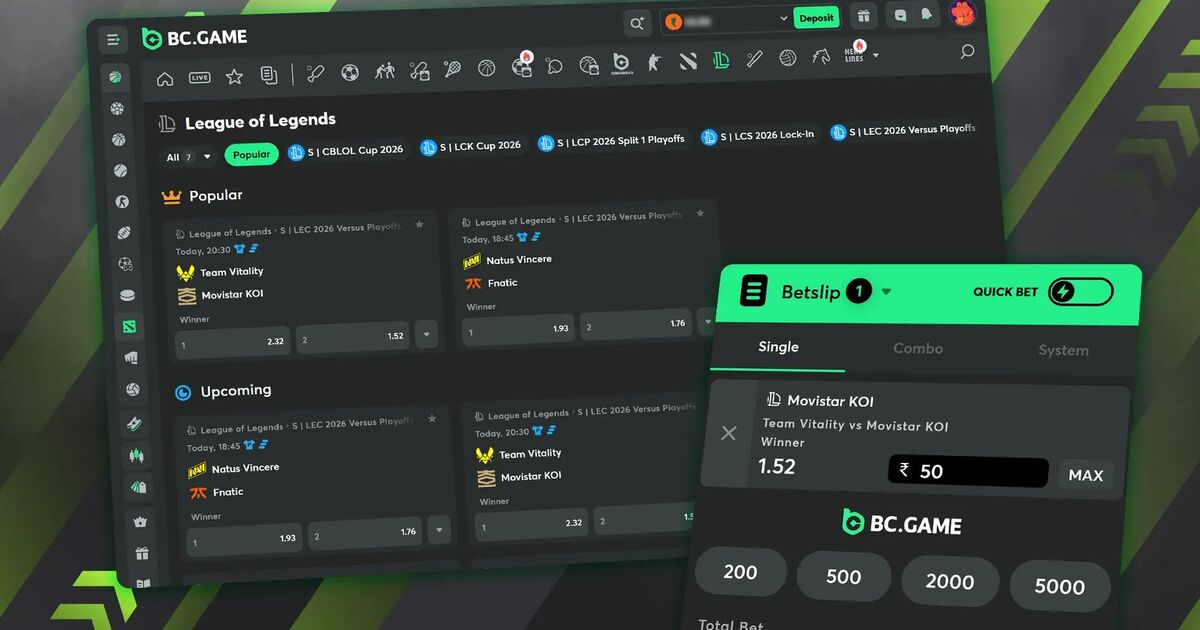
BC Games is an online platform that brings together games and account-based access for players. The main site provides entry points to the catalog and account tools, and you can start by visiting bc game. Many players also use mobile access features when they want a smaller interface for quick sessions. For mobile-focused use, the platform offers a dedicated entry for bc game app. The overview below explains how the platform is organized, how access typically works, and what to expect from the core components.
Platform purpose and general structure
BC Games is designed to support online gaming through a centralized website and related access methods. The platform structure typically includes a homepage, navigation to game categories, and account management tools. A consistent layout helps users move between browsing and play without changing devices. Game listings are usually organized so players can identify available titles and understand what each section includes. The platform also supports user settings that affect how the account is used across sessions. Overall, the structure is intended to reduce friction between discovery, selection, and gameplay.
Branding and site navigation
The site presents a unified brand and a navigation system that points to different parts of the platform. Users commonly interact with menus that separate categories, promotions, or account-related areas. Navigation may include search or filters depending on the page layout and current availability. Clear links help users return to the game lobby or select a specific type of game. When a player chooses a title, the interface typically transitions into a play view. This separation between browsing and play is a key part of how the platform remains easy to understand.
Account access and session behavior
Most platform actions are tied to a user account, including preferences and access to certain features. Logging in usually enables faster navigation to saved selections or personalized options. Session behavior can vary by device and browser, but the platform generally aims to keep the experience consistent. Users may be prompted to verify account details when accessing sensitive functions. If a session times out, re-authentication is typically required to continue. Understanding this account-based approach helps users plan how they will use the platform.
Mobile access and application options
BC Games supports mobile access so users can play without relying only on a desktop layout. Mobile access can be provided through a dedicated mobile-focused entry page or an app-style workflow. The experience on mobile is usually optimized for touch controls and smaller screens. Key pages such as login, game browsing, and account tools are adapted for mobile usability. Users who switch between devices are expected to keep the same account context. This approach helps reduce setup steps when moving from one device to another.
Mobile interface and usability
The mobile interface generally prioritizes quick access to categories and the ability to start play with fewer taps. Buttons and navigation elements are typically sized for touch interaction. Game pages often adjust layout to fit portrait screens or narrow resolutions. Some games may allow full-screen interaction depending on device support. The platform’s goal in mobile usability is to keep important actions reachable while limiting unnecessary page clutter. This makes it easier to return to browsing after a session.
Choosing between website and app-style access
Users may choose between the standard website view and an app-style mobile entry depending on preference. The difference is mainly about how the interface is presented rather than about the underlying account. Mobile access options can also affect how quickly pages load and how smoothly the platform renders interactive elements. If a user already has bookmarks or navigation habits, selecting the matching entry method can help maintain consistency. When traveling or using intermittent connections, mobile access may provide a simpler path to reach the game lobby. Reviewing the available mobile entry options can clarify which method fits the user’s typical device use.
Game catalog overview and categories
The game catalog is usually organized into categories so users can browse by type. A structured catalog helps players locate titles without scanning through unrelated entries. The availability of specific games can change over time, depending on updates and regional access. Users may see featured items, popular selections, or newly added titles within the catalog. Many platforms also allow filtering by game type, provider, or other attributes where available. This category-based approach supports both casual browsing and targeted selection.
Common categories and how they are presented
Game categories are typically presented as sections within the lobby area. Each category often includes multiple titles with consistent card-style listings or thumbnails. Titles may show basic details to help users decide before opening a game. Some categories focus on game mechanics, while others group games by provider or theme. The platform presentation usually supports quick comparison across multiple options. By keeping category pages organized, the platform reduces time spent searching for a suitable title.
Game launching and in-session controls
When a user selects a game, the platform generally loads an interactive play view. In-session controls usually include actions related to gameplay and basic navigation back to browsing. The interface may show settings or information panels that remain visible while playing. Depending on the game, users may access options such as audio or display preferences. The platform aims to keep controls responsive so the experience remains stable. If a user leaves the play view, returning typically continues from the most recent state based on the game’s design.
Account management and user settings
Account management is a core part of the platform experience and typically includes identity and preference controls. Users usually access these tools through an account menu linked from the main site. Common options include updating profile information and managing security-related settings. The platform may also provide ways to view account activity or track ongoing status. Settings can affect how the platform displays information and how users interact with menus. Keeping account details current helps ensure access remains smooth across devices.
Security and access controls
Security practices are typically tied to login and account verification workflows. Users may be able to enable additional protections depending on what the platform supports. Strong account security can include using unique passwords and recognizing trusted devices. The platform often requires authentication before accessing sensitive actions. If there are login challenges due to location or device changes, the user may need to complete verification steps. These controls are intended to protect account access and reduce unauthorized use.
Preferences and personalization features
Personalization can include preferences for display, audio, or how the platform remembers user choices. Some settings may affect navigation default pages or how game listings are displayed. The platform may also provide language or interface options depending on regional availability. Users can typically adjust preferences within the account settings area. When preferences are saved, they can apply across sessions and devices. This reduces repetitive configuration and supports a consistent experience.
Payments, promotions, and platform policies
Platforms like BC Games commonly include payment-related workflows and promotional tools within the account area. The platform typically separates these functions from the game lobby so users can manage them without interruptions. Payment options can vary by region and may include different methods for depositing or withdrawing funds. Promotions may provide bonuses or time-limited offers tied to account activity. Users generally need to review terms to understand eligibility and any conditions that apply. Clear separation between gameplay and account tools supports a more organized platform experience.
Payment workflow overview
Payment workflows usually begin within the account section, where users can choose a payment method. After selecting an option, the platform typically guides the user through required steps. Deposit and withdrawal processes often have different verification requirements. Users may see status updates and confirmation messages during processing. Limits can apply based on account status, verification level, or local rules. Reviewing the available options helps users select a method that fits their needs and timelines.
Promotional content and eligibility basics
Promotions are usually displayed in dedicated areas such as banners or account-linked sections. Each promotion can include specific conditions that define how it can be used. Eligibility may depend on account verification, deposit behavior, or certain game activity requirements. Some offers may be time-limited, with start and end dates clearly stated. Users may need to accept a promotion or meet criteria before benefits apply. Checking the promotion details helps ensure expectations match the platform’s rules.
Support resources and troubleshooting paths
Support resources help users resolve account and access issues and understand platform features. The platform typically provides help sections that guide users through common tasks. If a user encounters a problem, the support area can provide steps to diagnose it. Some issues can be related to browser compatibility, device settings, or account login status. Clear troubleshooting paths reduce uncertainty and help users return to gameplay. Support can also include contact methods such as message forms or other channels depending on what is offered.
Common issues users may face
Users may experience issues such as login errors, page loading delays, or difficulty accessing a specific game. In some cases, the problem can be linked to device performance or browser settings. Clearing cache, updating the browser, or switching networks may help resolve loading problems. If an account action fails, it may be related to verification status or payment processing timing. Users can also face confusion if a promotion does not apply due to eligibility rules. Understanding these typical scenarios can make it easier to identify the right support path.
How to use support effectively
To use support effectively, users generally provide relevant details about the issue. This can include the device type, browser version, and the time the issue occurred. If an error message appears, capturing the exact wording can help support staff interpret it. Users should also confirm that they are using the correct account and have completed required verification steps. When contacting support, clear descriptions of what the user expected to happen can speed up resolution. Following the platform’s suggested steps before reaching out can also improve outcomes.
Legal and compliance considerations
Online gaming platforms operate under legal and compliance requirements that can affect availability and account features. BC Games may apply rules related to user eligibility, responsible gaming, and local regulations. Compliance can also influence what payment methods are available and how verification is handled. Users are typically expected to review the platform’s policies to understand permitted use. Responsible gaming guidance may be presented to help users manage time and spending. Staying informed about these requirements supports safer and more predictable use of the platform.
Terms, eligibility, and account verification
Terms of service generally define how accounts may be used and what responsibilities users have. Eligibility rules can include age requirements and restrictions based on jurisdiction. Account verification is often used to confirm identity and may be required for certain actions. Verification processes usually request specific information and documents where applicable. Completing verification can unlock additional features or increase transaction limits. Users should treat these steps as part of standard platform onboarding and account maintenance.
Responsible gaming expectations
Responsible gaming tools can include options for managing session length and understanding risk. Platforms may provide guidance on recognizing problem behavior and seeking help when needed. Limits, self-exclusion, or reality checks may be available depending on the platform’s features in the user’s region. Users should also consider setting personal boundaries before using the platform extensively. Clear access to responsible gaming information supports better decision-making over time. Reviewing these resources can help users use the platform in a more controlled and informed way.